
All cases
All Cases

Scaling Uklon design fromride-hailing to a Mobilityand Delivery ecosystemScaling Uklon designfrom ride-hailingto a Mobility andDelivery ecosystem

Kept key ride-hailing metrics steady while the team doubled. Scaled the design system to 100+ implemented components.

Unit structure

Product office
Design & UX
  • 15 designers / 10 teams
    Design
  • 4 researchers
    UX Research
  • 1 writer
    UX Writing

Executive summary

2xteam growth

  • Designers 8 → 15
  • Researchers 2 → 4
  • UX writers 0 → 1
  • 3sub-units: Design, UX Research, UX Writing
  • 120+screens redesigned in 6 months
  • AIprototyping workflow set up

About Uklon

Uklon started as a ride-hailing app in 2010. In 2026 we became an ecosystem: travel, delivery and a marketplace, scooters, and a driver product expanding into new markets. When I joined in February 2025, design was built for one app.

My role was to make design scale with the business: more products, more markets, and more product teams, without fragmenting the experience.
Phone home screen with the Uklon and Uklon Driver app icons

Problems I started with

01
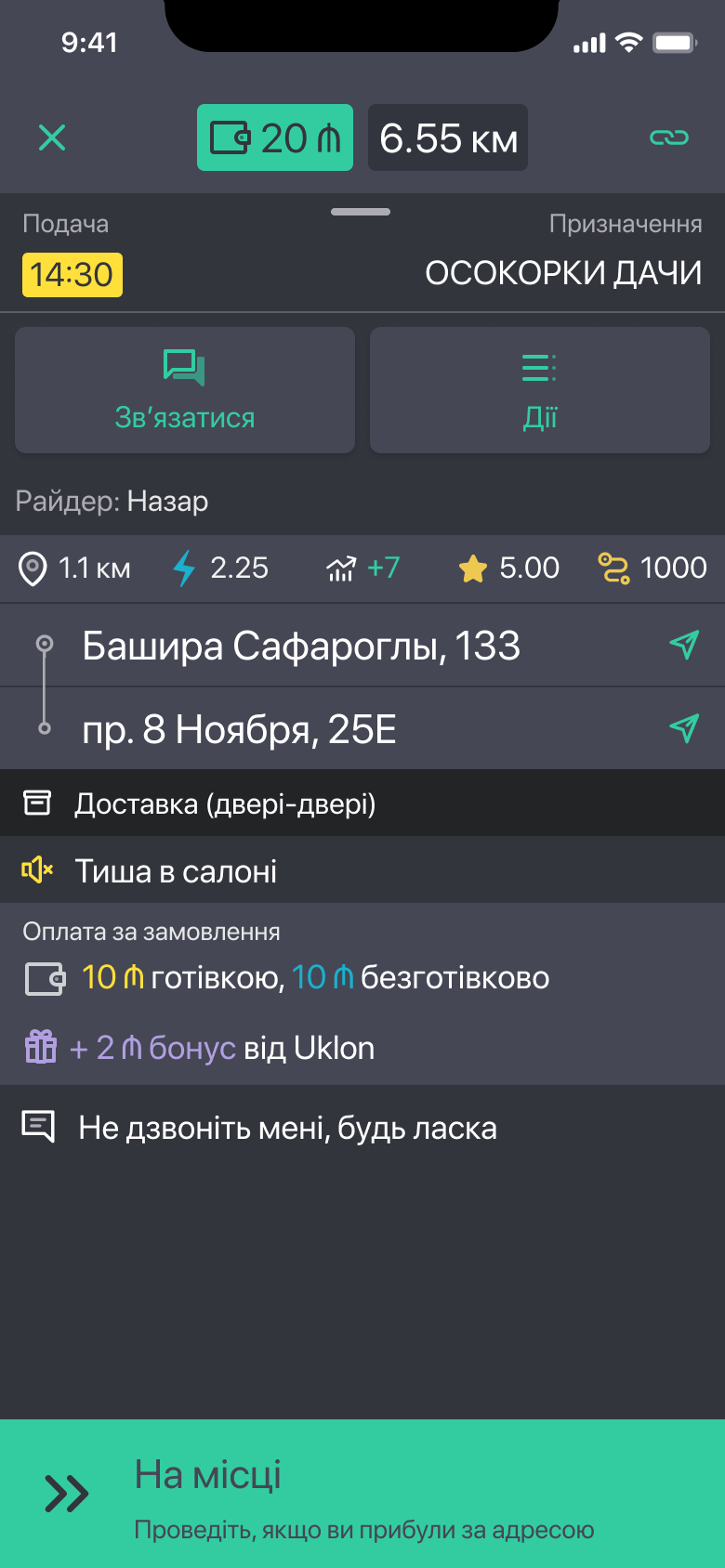
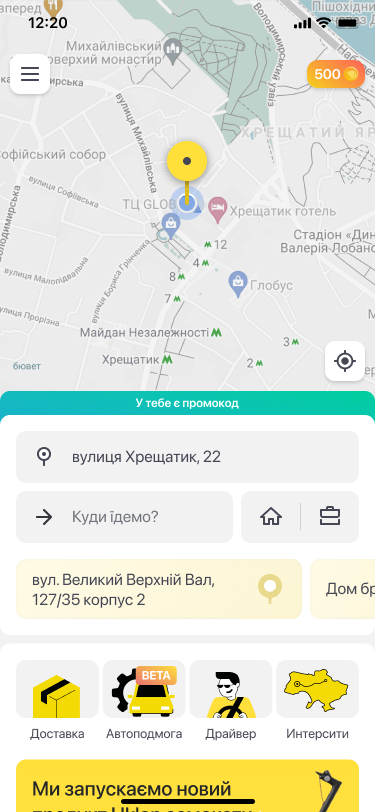
The old driver app: a dark ride screen with green accentsThe old rider app: a map and address search with yellow and teal accents

Outdated, inconsistent visual styles

02

No design metrics

  • We couldn’t say how much work a designer could take on.
  • We didn’t know where design should focus first.
03

The design system couldn’t keep up

  • Legacy screens with no components.
  • Foundation components existed only in the driver app.
  • The rider app had no design system at all.
04

No system for team performance and growth

  • Performance reviews ran without shared criteria, skills matrices, or goals.
  • The team needed clear growth plans and regular feedback.

Decisions

Set a vision for quality and simplicity

  • Built the UI vision and design strategy for the ecosystem and the driver app.
  • Hired a UX writer and 2 UX researchers so decisions rest on usability evidence.
  • Ran a UX audit and put design initiatives into the product backlog.

Design system

With the design system team, I calculated its ROI: 60%+ savings on every new screen.

60%+time and cost saved per new screen

So we invested in the design system and now track its metrics quarter over quarter.
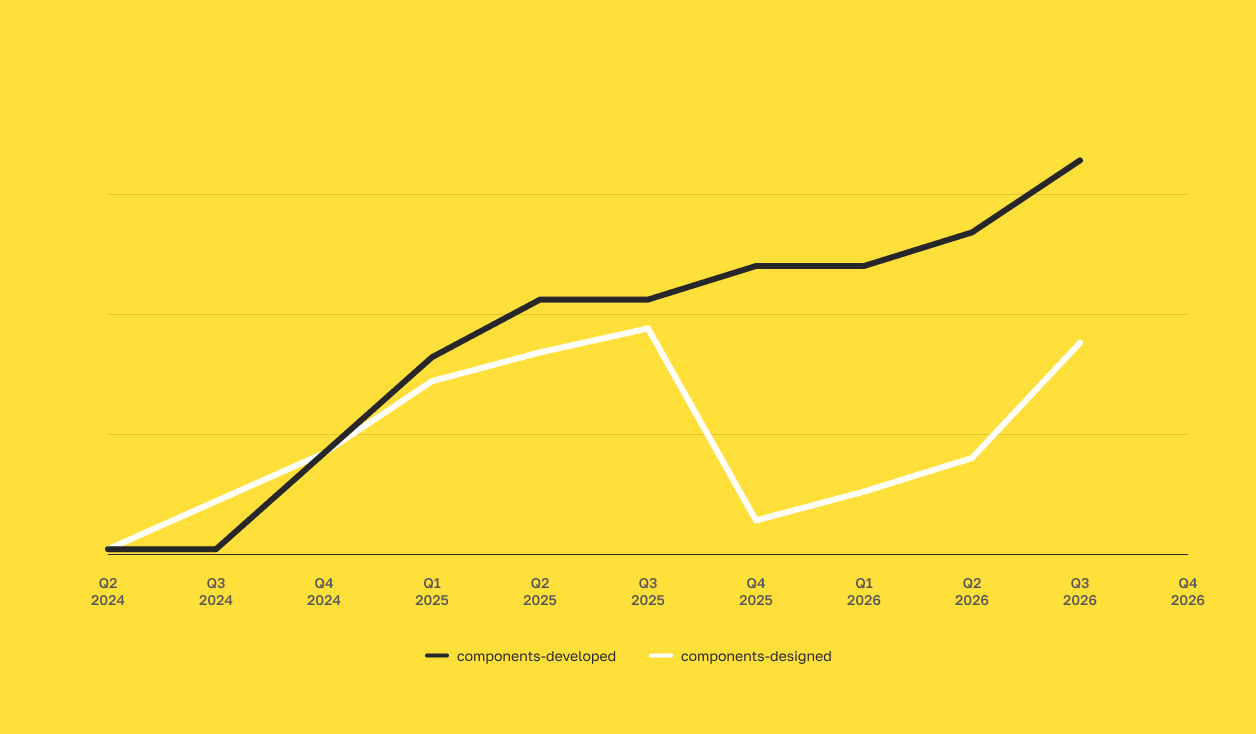
Line chart by quarter from Q2 2024 to Q3 2026: components developed grow steadily to about 82, while components designed rise to 47, drop to 7 in Q4 2025 and climb back to 44.

That system is what lets us adopt AI prototyping now.
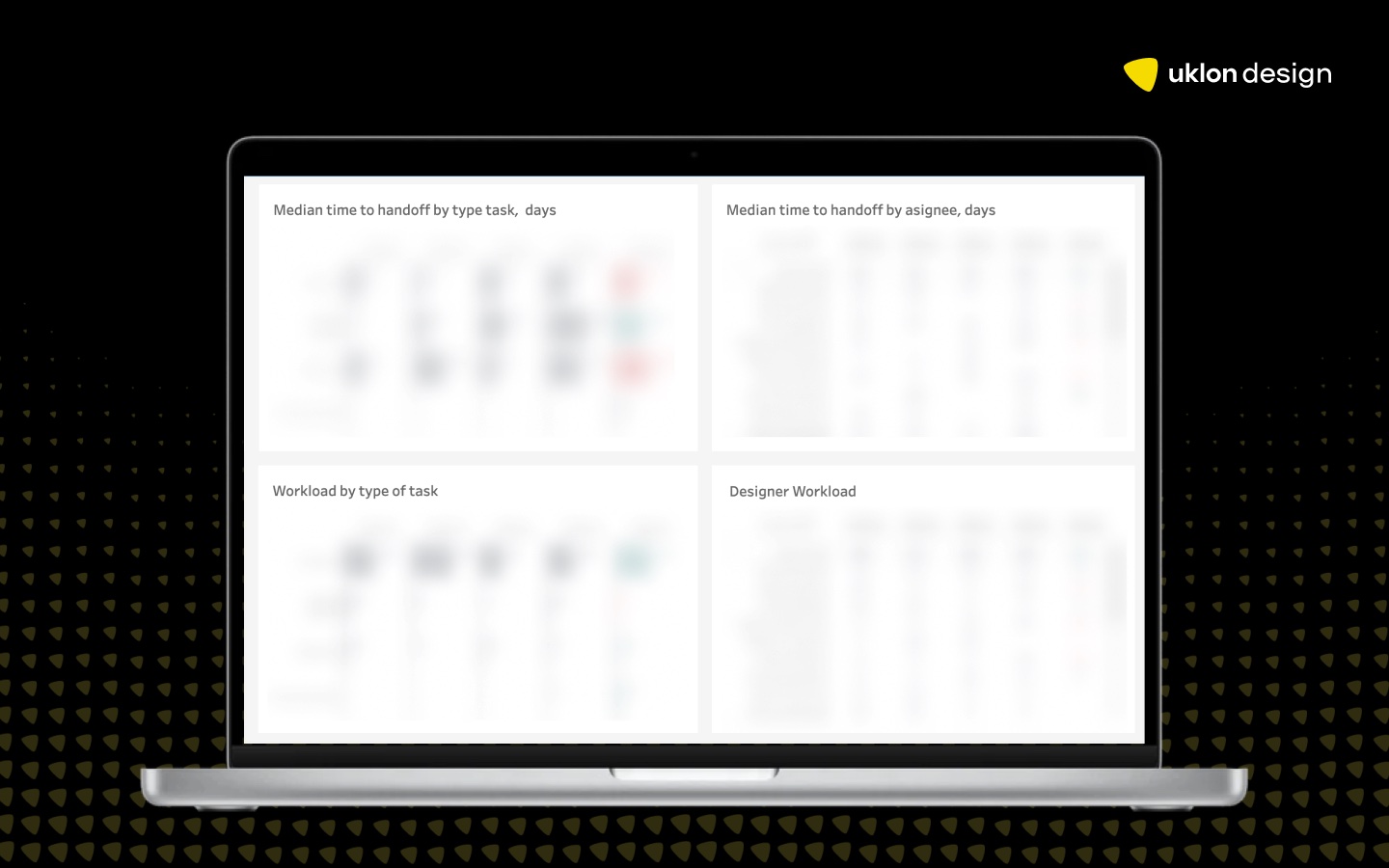
Effectiveness metrics

  • Set up capacity and workload tracking for the design org.
  • Track time to handoff to measure what AI actually speeds up.
Laptop showing a Tableau dashboard for the design team: median time to handoff by task type and by assignee, workload by type of task, and designer workload.

Team verticalization

  • I split the design org into 3 sub-units and 10 teams.
  • I grew a product design lead for Mobility so it could run as an autonomous vertical, and kept Driver, Delivery, and Internal under me.

Set up a team performance and growth system

  • Introduced OKRs to make the team’s performance transparent.
  • Set up skills matrices, biweekly or monthly 1:1s, and weekly syncs.
  • Scheduled DesignOps sessions so teams share work and keep processes aligned.
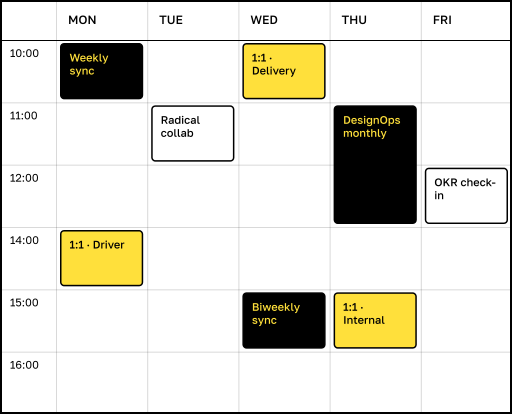
A week in the team calendar: weekly and biweekly syncs, 1:1s with the Driver, Delivery, and Internal teams, a Radical collab session, a monthly DesignOps session, and an OKR check-in.

Brought the umbrella ecosystem brand into both apps

  • Rolled out the new ecosystem brand identity across 2 apps in 6 months.
  • Moved the driver app from green to yellow.

AI prototyping processes

  • Building a secure internal AI tool for prototyping native iOS and Android apps, with easy sharing and commenting.
  • Created skills, manifests, and evals so AI prototypes come out predictable.
  • NDA product.
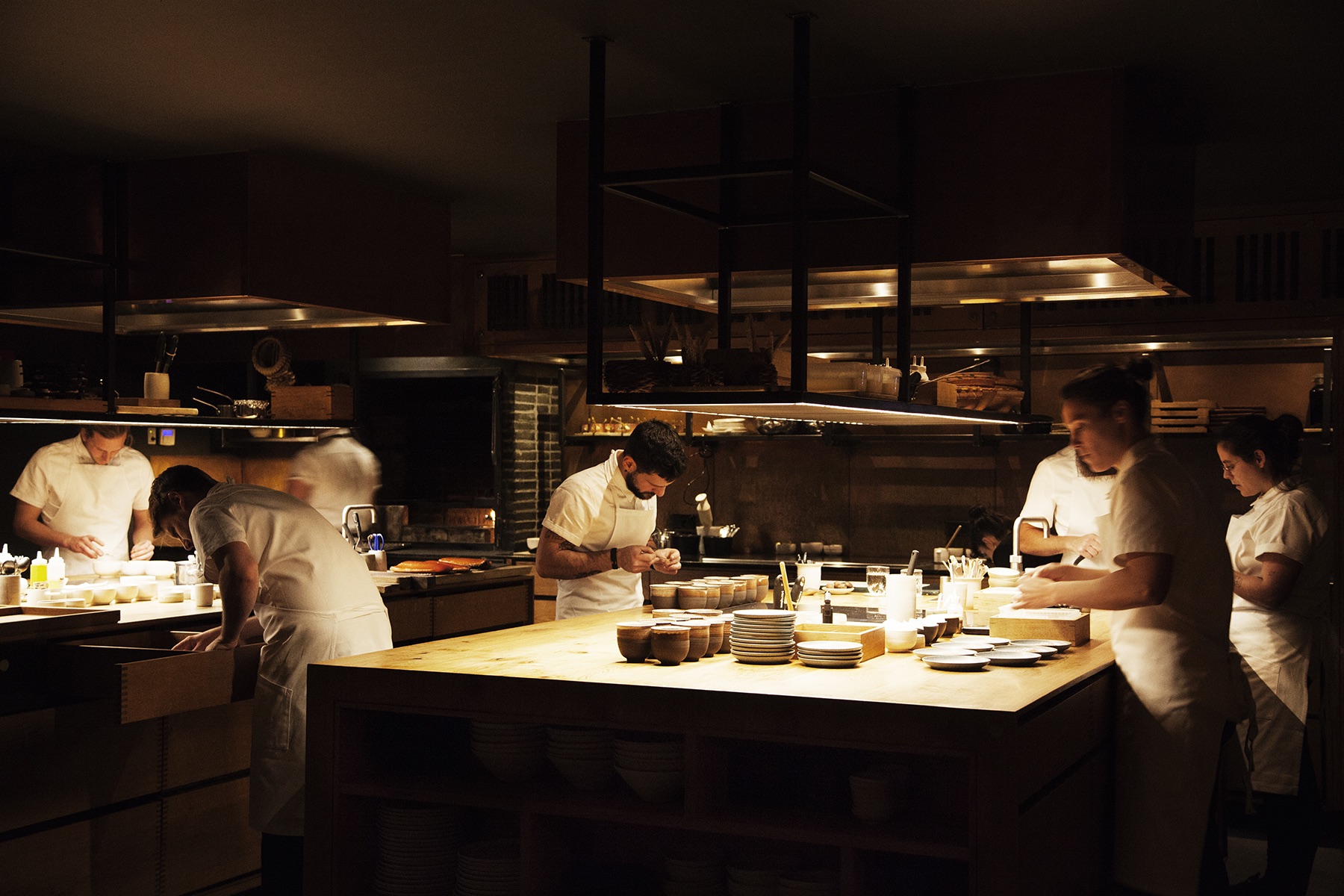
Chefs working at the counters of a dimly lit restaurant kitchen

Team metaphor

The Design & UX team works like a Michelin-starred kitchen.
The focus is on the team, craft, high standards and process.

We make complex things simple, and we do it with craft and system.

Everyone is an expert with their own area of ownership.
Everyone works toward the mission and the concept of the “dish”.
We create for the user.

Design & UX principles

Outcomes so far